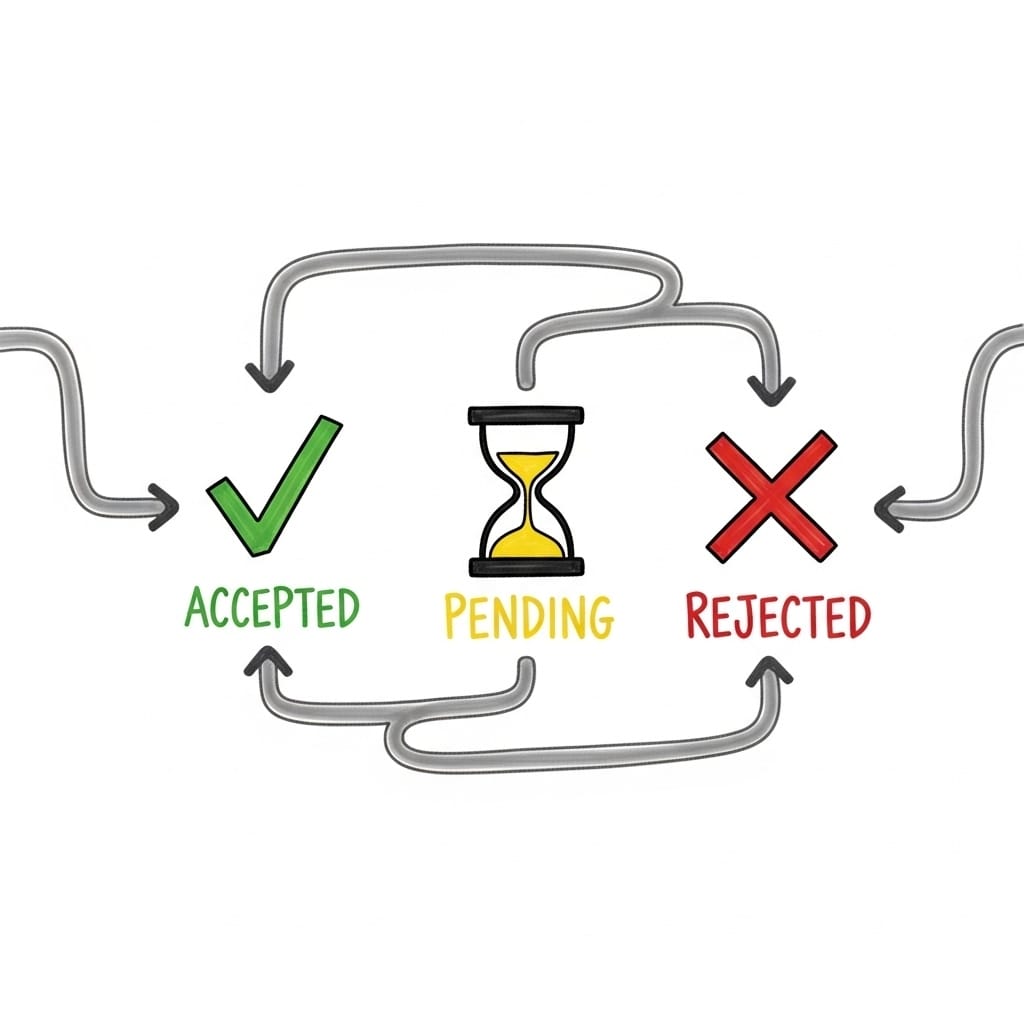

Electronic Data Interchange (EDI) is the backbone of many supply chains, finance operations, and B2B integrations. At the core of reliable EDI management is portal visibility—your enterprise needs immediate, actionable clarity into EDI mailboxes, acknowledgment statuses, and system alerts in one place. If your EDI portal makes it difficult to answer whether documents were sent, received, accepted, or rejected, operational risks will increase and costs can escalate fast.
A first-class EDI portal gives you direct visibility into every mailbox event as part of daily operations. Mailboxes serve as control points for inbound and outbound EDI traffic—any ambiguity about document status introduces risk and delays to your business. Nexus VAN prioritizes this requirement with mailbox visibility that separates test and production traffic, supports unlimited IDs, and tracks actual usage without rounding up document sizes. This approach not only reduces unnecessary manual interventions but also delivers peace of mind to IT, finance, and operations leaders who want predictable outcomes.
When evaluating any EDI portal, ensure it provides:
With Nexus VAN, mailbox access and reporting are not restricted by arbitrary limits, hidden fees, or mailbox charges. This aligns EDI transparency with genuine business requirements and streamlines monthly billing logic.
When teams can answer these questions in seconds, rather than hours, operational risk and support costs decrease significantly.
Acknowledgments are the confirmations that uphold trust in all EDI exchanges. Immediate, unambiguous acknowledgment tracking is not just a technical preference—it's a business imperative. Nexus VAN ensures that acknowledgment statuses are tied directly to each original transaction for X12, EDIFACT, HL7, IDoc, and other EDI standards, and across protocols like AS2, SFTP, and REST API. This comprehensive approach caters to diverse trading partner requirements and your specific environment.
Effective acknowledgment tracking should provide the following, attached to every transaction:
This visibility prevents downstream disruptions—delayed invoice acknowledgments can block cash flow, missed ASN receipts can halt fulfillment, and unaddressed rejections can lead to costly compliance violations.
Your EDI portal should provide these details in an easy-to-search, highly readable format so finance and IT teams can resolve issues before they escalate.
A modern EDI portal is not merely a passive dashboard—it should turn key mailbox and acknowledgment events into actionable alerts. The strength of Nexus VAN lies in immediate notification of events that matter, not in overwhelming teams with alert fatigue. Alerts must be timely, relevant, and customizable by team, partner, or transaction type.
Essential alerts your portal should offer:
Best-in-class portals, like Nexus VAN, empower users to set practical alert thresholds, such as:
This approach creates clarity and keeps each department informed about the events that specifically impact their responsibilities.
Many businesses hesitate to change EDI VAN providers due to concerns over migration risk, missing documents, or partner disruptions. With Nexus VAN, this risk is addressed by a portal that exposes every migration milestone. Customers benefit from an intuitive migration dashboard, expert-led transition support, transparent status for each trading partner, and a 90-day free trial with no setup, onboarding, or migration fees.
Throughout migration, your portal must track:
This comprehensive visibility is what transforms migration from an opaque, risky process into a controlled, step-by-step improvement. For a detailed look at EDI migration risks and solutions, see EDI Migration: Minimizing Risk and Downtime During Vendor Transitions.
The ideal EDI portal serves the needs of multiple stakeholders. Here’s what leadership should look for:
Without these functions, managing EDI becomes a matter of guesswork and increased support burden. Nexus VAN’s portal addresses these priorities with strong alignment between user needs and the operational realities of B2B trading.
Any modern VAN portal that cannot deliver every item above is a potential liability for your business.
You may need to reconsider your current EDI provider if any of the following are true:
Strong portal capability directly impacts finance predictability, supply chain speed, and IT cost control. This is crucial knowledge for EDI teams who are questioning contract renewals or seeking billing clarity—see Demystifying EDI VAN Pricing Models: What Determines Your Monthly Invoice and How to Optimize Costs for deeper analysis.
A typical workflow might begin with a purchase order sent by the buyer, followed by an acknowledgment, then an ASN and invoices. If a single acknowledgment fails and the portal does not display this event clearly, finance, fulfillment, and compliance teams are all at risk. Nexus VAN addresses this by surfacing all actionable events—ensuring that nothing gets missed and that every exception is tracked before inflating into a costly issue.
For supply chain managers and operational leads, strong portal visibility results in:
Before selecting or renewing with a VAN, demand the ability to see, in a live demo if possible:
If a provider falls short in these areas, be wary of hidden costs or operational blind spots. For a practical checklist on evaluating EDI networks, see The Ultimate EDI VAN Checklist: What to Review Before Renewing Your Contract.
For more advice on optimizing EDI for peak business cycles, you can read Produce Season EDI Readiness for Retailers, Suppliers, and 3PLs.
An EDI mailbox is a logical container within your EDI environment where inbound and outbound documents are stored and managed. Visibility into this mailbox lets you track, audit, and troubleshoot every transaction with each trading partner. It is essential for compliance, billing, and fast problem resolution.
Your portal should show all major EDI acknowledgment types your trading partners use, including 997, 999, and transport-level receipts. Each acknowledgment should be linked directly to its originating document with clear status and, when relevant, error messages and timestamps.
Actionable alerts notify your team about key events (such as failed transmissions or missing acknowledgments) in real time. This allows quick corrective action, supporting business continuity and lowering the risk of service disruption or delayed cash flow.
Nexus VAN supports migration with a dedicated dashboard, expert consulting, and no fees for setup, onboarding, or data transfer. Progress is tracked transparently across trading partners and documents, resulting in a seamless transition with no risk of hidden costs or lost data.
Common signs include reliance on manual status checks, support tickets for simple questions, and surprise billing inconsistencies. If you cannot track any transaction prompt or lack basic acknowledgment insight, it is worth exploring modern alternatives.
Full visibility lets you reconcile actual data usage with monthly invoicing and catch unnecessary overages or hidden fee structures. Nexus VAN’s portal, for example, uses transparent kilo-character-based billing with no mailbox, document, or migration fees.
Reliable EDI operations demand true portal transparency—across mailboxes, acknowledgments, and alerts. Nexus VAN delivers on these requirements with unmatched visibility, no hidden fees, expert-guided transitions, and cost structures designed for modern enterprise needs. For leaders ready to bring EDI costs under control and eliminate avoidable risk, our team can show you how a better portal makes all the difference.
